视频流信息
mavlink id 269 VIDEO_STREAM_INFORMATION
关于视频流的信息。
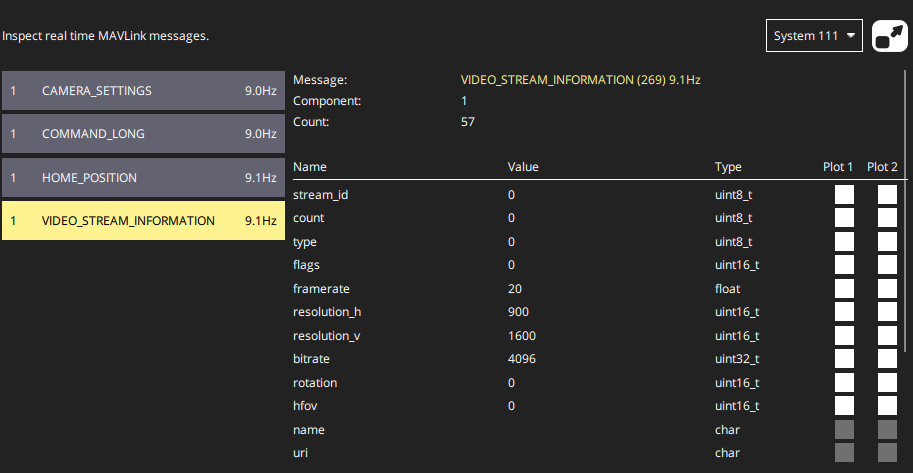
MAV_CMD_VIDEO_START_STREAMING 2502
开始视频流式播放
| Param (:Label) | 描述 | 值 |
|---|---|---|
| param1:(Stream ID) | 要开启的视频流ID | 1:主摄像头,2:下视摄像头,3:红外摄像头 |
返回消息COMMAND_ACK
返回值 command 2502 执行命令id
返回值 result 0或4 0:执行成功,4:执行失败
于QGC控制台输入wideVideo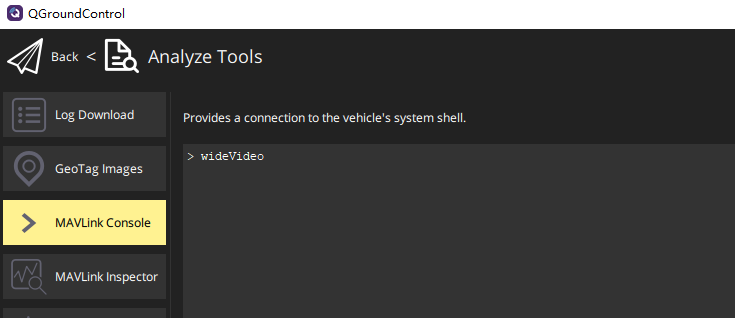
打开主摄像机视频流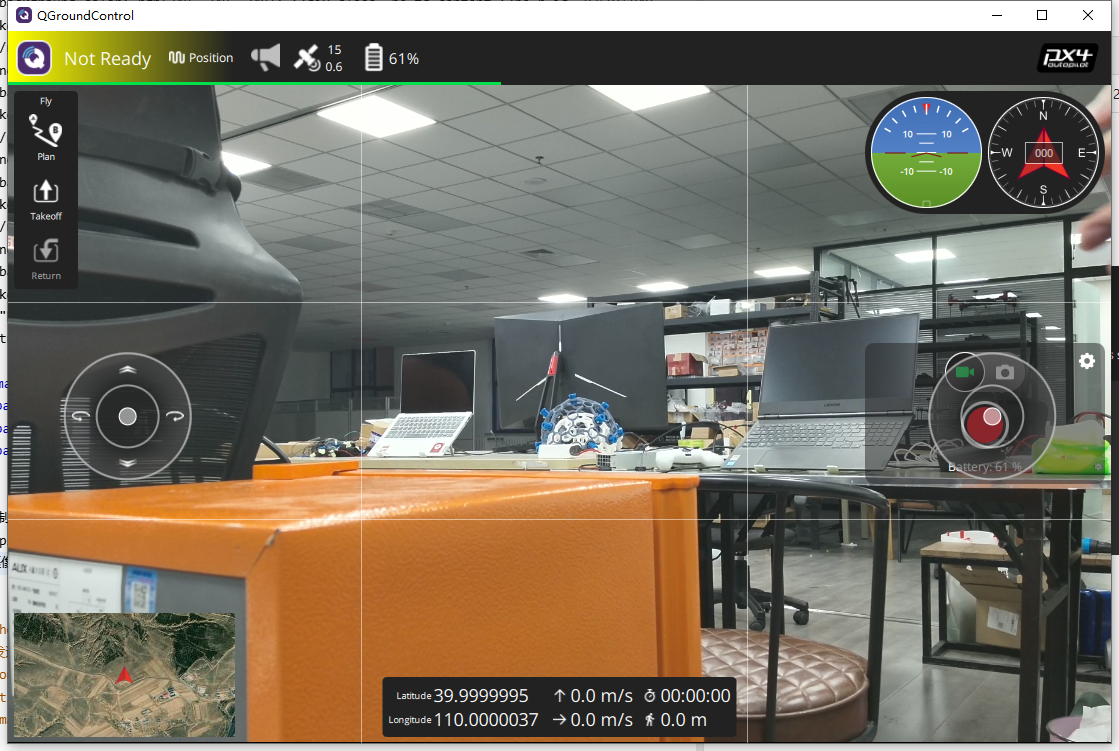
于QGC控制台输入IRVideo
打开主摄像机红外视频流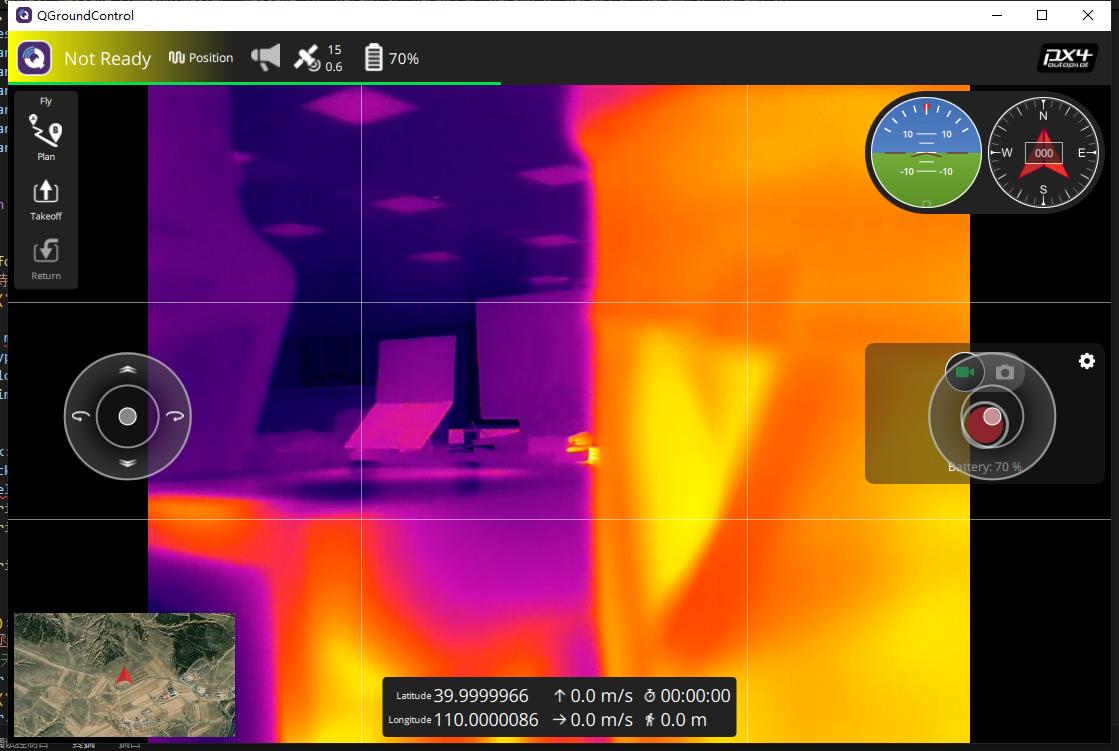
于QGC控制台输入DownVideo,并将视频流接收端口改为5700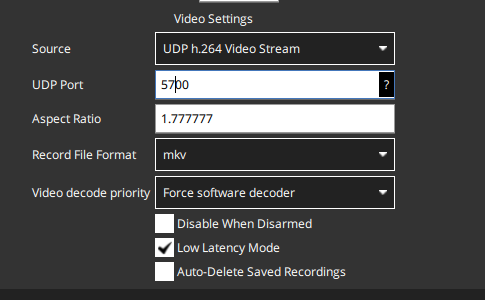
打开下视摄像机视频流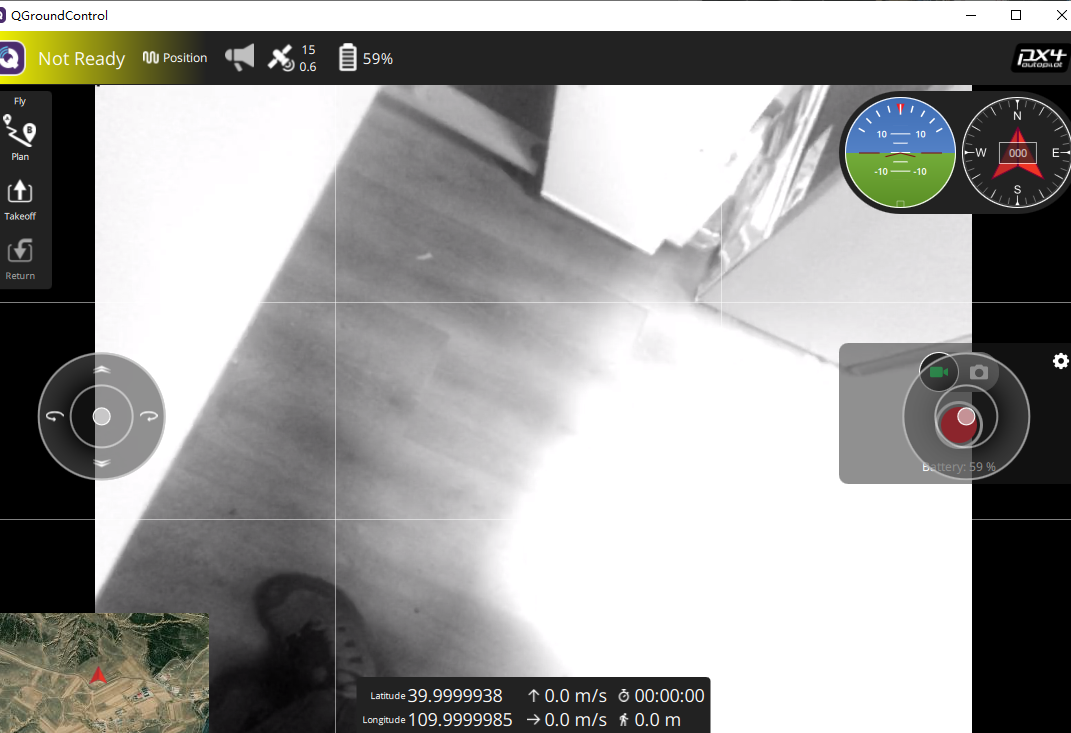
移动 App 图传设置中的“增强传输”状态
ENH_TRANS_STATE
设置
mavlink消息:
接收PARAM_SET
发送PARAM_VALUE
获取
mavlink消息
接收PARAM_REQUEST_READ
发送PARAM_VALUE
参数:
| 名称 | 枚举值 | 描述 |
|---|---|---|
| DJI_ENHANCEED_TRANSMISSION_STATE_DISABLED | 0 | 增强图传功能已禁用 |
| DJI_ENHANCEED_TRANSMISSION_STATE_ENABLED | 3 | 增强图传功能已启用 |
示例
import time
import sys
from pymavlink import mavutil

def connect_to_vehicle():
    """建立 UDP 监听连接(默认监听所有接口的 14550 端口)"""
    connection_string = "udpin:0.0.0.0:14550"
    print(f"Listening for MAVLink on: {connection_string}")
    vehicle = mavutil.mavlink_connection(connection_string)
    print("Waiting for HEARTBEAT (timeout: 10s)...")
    try:
        vehicle.wait_heartbeat(timeout=10)
        print(f"✅ Heartbeat received from system {vehicle.target_system}, component {vehicle.target_component}")
        return vehicle
    except Exception as e:
        print(f"❌ Connection failed: {str(e)}")
        print("Ensure your vehicle is sending MAVLink messages to 14550 port")
        print("Example QGroundControl setup: Settings > General > MAVLink > Listening Port = 14550")
        sys.exit(1)

def format_param_id(param_id):
    """格式化16字节参数ID(符合MAVLink协议要求)"""
    if len(param_id) > 16:
        raise ValueError("param_id cannot exceed 16 characters")

    param_id_bytes = bytearray(16)
    for i in range(min(len(param_id), 16)):
        param_id_bytes[i] = ord(param_id[i])

    # 长度<16时添加NULL终止符
    if len(param_id) < 16:
        param_id_bytes[len(param_id)] = 0

    return param_id_bytes

def send_param_set(vehicle, param_id, param_value, param_type):
    """发送参数设置请求"""
    vehicle.mav.param_set_send(
        vehicle.target_system,
        vehicle.target_component,
        format_param_id(param_id),
        param_value,
        param_type
    )
    print(f"📤 Sent PARAM_SET for '{param_id}' = {param_value} (type: {param_type})")

def send_param_request_read(vehicle, param_id=None, param_index=-1):
    """发送参数读取请求"""
    param_id_bytes = format_param_id(param_id) if param_id else bytearray(16)

    vehicle.mav.param_request_read_send(
        vehicle.target_system,
        vehicle.target_component,
        param_id_bytes,
        param_index
    )

    target = f"index {param_index}" if param_index >= 0 else f"ID '{param_id}'"
    print(f"📤 Sent PARAM_REQUEST_READ for {target}")

def send_param_request_list(vehicle):
    """发送请求所有参数列表"""
    vehicle.mav.param_request_list_send(
        vehicle.target_system,
        vehicle.target_component
    )
    print(f"📤 Sent PARAM_REQUEST_LIST to system {vehicle.target_system}, component {vehicle.target_component}")

def receive_param_value(vehicle, timeout=5.0):
    """接收参数值响应"""
    print(f"⏳ Waiting for PARAM_VALUE ({timeout}s timeout)...")
    msg = vehicle.recv_match(type='PARAM_VALUE', blocking=True, timeout=timeout)

    if not msg:
        print("❌ Timeout: No PARAM_VALUE received")
        return None

    # 解析参数ID
    param_id = msg.param_id

    # 解析参数值
    param_value = msg.param_value

    # 参数类型映射
    type_names = {
        0: "INT8", 1: "UINT8", 2: "INT16", 3: "UINT16", 4: "INT32",
        5: "UINT32", 6: "INT64", 7: "UINT64", 8: "FLOAT", 9: "DOUBLE"
    }
    param_type = type_names.get(msg.param_type, f"UNKNOWN({msg.param_type})")

    print("\n📥 Received PARAM_VALUE:")
    print(f"  🆔 ID: {param_id}")
    print(f"  🔢 Value: {param_value}")
    print(f"  🧾 Type: {param_type}")
    print(f"  📊 Index/Total: {msg.param_index}/{msg.param_count}")

    return {
        'id': param_id,
        'value': param_value,
        'type': param_type,
        'index': msg.param_index,
        'count': msg.param_count
    }

def receive_all_param_values(vehicle, timeout=10.0):
    """接收所有参数值,直到收到 param_count 条消息后退出循环"""
    received_params = []
    expected_count = None
    print(f"⏳ Waiting for all PARAM_VALUE messages...")

    while True:
        msg = vehicle.recv_match(type='PARAM_VALUE', blocking=True, timeout=timeout)

        if not msg:
            print(f"❌ Timeout: Received {len(received_params)} parameters (expected {expected_count if expected_count else 'unknown'})")
            break

        param_id = msg.param_id
        param_value = msg.param_value

        # 参数类型映射
        type_names = {
            0: "INT8", 1: "UINT8", 2: "INT16", 3: "UINT16", 4: "INT32",
            5: "UINT32", 6: "INT64", 7: "UINT64", 8: "FLOAT", 9: "DOUBLE"
        }
        param_type = type_names.get(msg.param_type, f"UNKNOWN({msg.param_type})")

        # 首次收到消息时记录总参数数量
        if expected_count is None:
            expected_count = msg.param_count
            print(f"📊 Total parameters to receive: {expected_count}")

        print(f"  [{msg.param_index}/{expected_count}] {param_id} = {param_value} ({param_type})")

        received_params.append({
            'id': param_id,
            'value': param_value,
            'type': param_type,
            'index': msg.param_index,
            'count': msg.param_count
        })

        # 当已接收数量达到预期总数时退出循环
        if len(received_params) >= expected_count:
            print(f"\n✅ Successfully received all {expected_count} parameters")
            break

    return received_params

def main():
    print("🚀 Starting MAVLink PARAM_SET Tool (UDP Listening Mode)")
    print("-----------------------------------------------------")
    print("This script listens for MAVLink on ALL interfaces:14550")
    print("Ensure your vehicle is configured to send to this port")
    print("-----------------------------------------------------\n")

    vehicle = connect_to_vehicle()

    # 操作选择
    print("\nAvailable operations:")
    print("1. Set parameter value")
    print("2. Read parameter value (by ID or index)")
    print("3. Request all parameters (PARAM_REQUEST_LIST)")
    choice = input("\nSelect operation [1-3]: ").strip()

    if choice == '1':
        param_id = input("Enter parameter ID to set: ").strip()
        param_value = float(input("Enter new value: ").strip())

        print("\nParameter types:")
        print("  8 = FLOAT (most common)")
        print("  9 = DOUBLE")
        print("  4 = INT32")
        print("  1 = UINT8")
        param_type = int(input("Enter type number [8]: ").strip() or 8)

        send_param_set(vehicle, param_id, param_value, param_type)
        receive_param_value(vehicle)

    elif choice == '2':
        # mode = input("Read by [id/index]: ").lower()
        mode = 'id'
        if mode == 'id':
            param_id = input("Enter parameter ID: ").strip()
            send_param_request_read(vehicle, param_id=param_id)
            receive_param_value(vehicle)
        elif mode == 'index':
            param_index = int(input("Enter parameter index: "))
            send_param_request_read(vehicle, param_index=param_index)
            receive_param_value(vehicle)
        else:
            print("Invalid mode. Use 'id' or 'index'")

    elif choice == '3':
        print("\n📤 Requesting all parameters...")
        send_param_request_list(vehicle)
        all_params = receive_all_param_values(vehicle)
        print(f"\n📋 Total parameters received: {len(all_params)}")

    else:
        print("Invalid choice. Select 1, 2, or 3.")


if __name__ == "__main__":
    main()
示例使用说明
获取
运行后,成功建立连接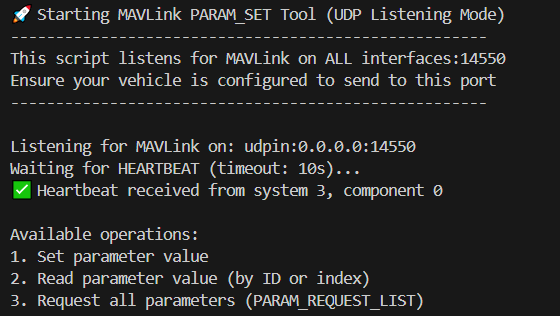
输入“2”选择读取参数
输入对应参数“ENH_TRANS_STATE”
成功返回该参数对应的数值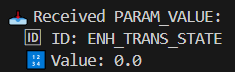
设置
运行后,成功建立连接
输入“1”选择设置参数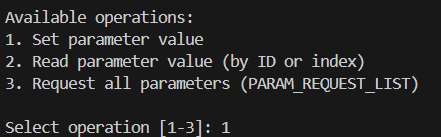
输入对应参数“ENH_TRANS_STATE”
输入要设置的数值
选择参数类型“1”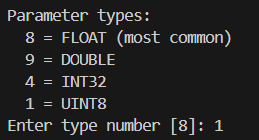
成功返回设置值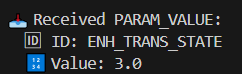
作者:孙渝泓 创建时间:2026-06-15 16:13
最后编辑:孙渝泓 更新时间:2026-06-18 17:59
最后编辑:孙渝泓 更新时间:2026-06-18 17:59